
Truck DPFs: Everything You Need to Know About Maintenance & Regeneration
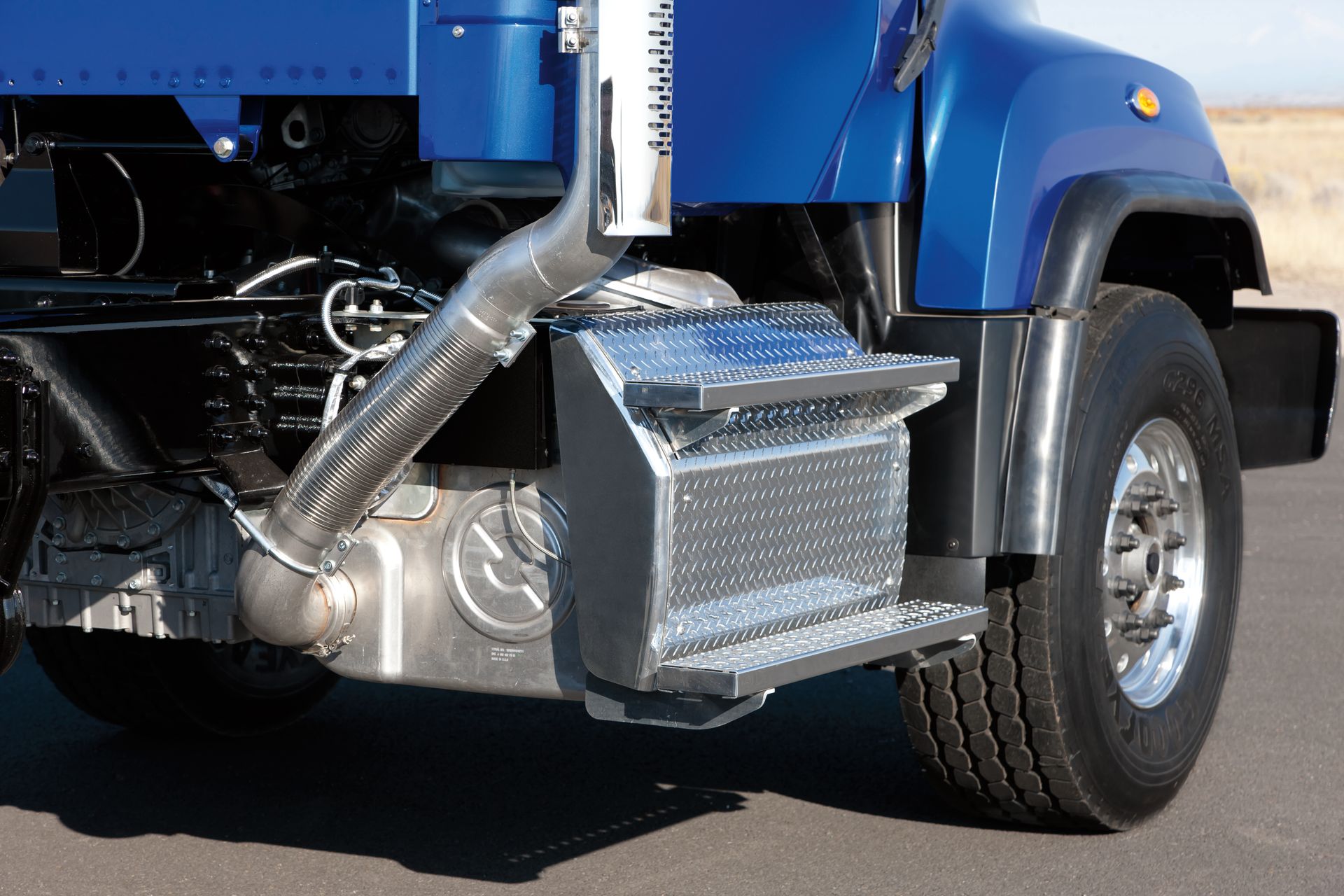
Your Guide to Truck Diesel Particulate Filters
For many truck owners, the Diesel Particulate Filter (DPF) can be a confusing and sometimes frustrating component. But fear not! This comprehensive guide will shed light on everything you need to know about DPFs, from their function to maintaining and even performing a manual regeneration.
What is a DPF and What Does it Do?
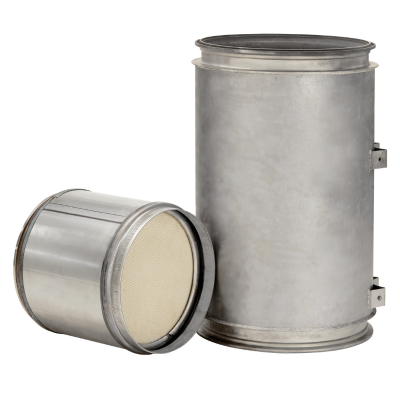
Think of a DPF as a microscopic net for your truck's exhaust. It traps harmful soot and ash particles, significantly reducing air pollution. This is crucial, as diesel engines are known for emitting particulate matter that can contribute to respiratory problems and other health issues.
How Does a DPF Work?
As exhaust gas flows through the DPF, soot particles get trapped in the filter's intricate honeycomb structure. But this trapped soot needs to be dealt with, otherwise the filter would clog. That's where regeneration comes in. During regeneration, the soot is burned off at high temperatures, leaving the DPF clean and ready to capture more particles.
Regeneration: Automatic or Manual?
Most DPFs regenerate automatically when needed. The truck's computer system monitors soot buildup and triggers regeneration at optimal intervals. However, sometimes manual intervention might be necessary, especially for frequent short-trip driving which can hinder the automatic process.
Performing a Manual Regeneration: A Step-by-Step Guide (But Proceed with Caution!)
While automatic regeneration is the preferred method, understanding manual regeneration can be helpful in specific situations. However, it's crucial to remember that performing a manual regen incorrectly can damage your vehicle. Always consult your truck's owner's manual for specific instructions and warnings before attempting this process.
Here's a general guideline, but remember, specific steps may vary depending on your truck model:
Preparation:
- Find a safe location: Choose a well-ventilated area away from flammable materials and people. Do not perform regeneration in an enclosed space or with a trailer attached.
- Ensure proper conditions: The engine should be warmed up to operating temperature. Check your owner's manual for the specific temperature range.
- Park safely: Engage the parking brake and shift into neutral or park. Turn off any unnecessary accessories like the radio and air conditioning.
Initiating Regeneration:
Two main methods exist based on your truck's capabilities:
Method 1: Manual Regen Switch:
- Locate the manual regeneration switch on your dashboard. It's usually labeled with a DPF symbol or "Regen."
- Press and hold the switch for the specified duration (usually 5-10 seconds) as mentioned in your owner's manual. The switch might illuminate or blink to indicate activation.
Method 2: Through the Instrument Cluster:
- Access the vehicle settings menu through the instrument cluster display.
- Navigate to the DPF section (refer to your manual for specific instructions).
- Select the "Manual Regeneration" option and follow the on-screen prompts.
Monitoring the Process:
- The engine RPM will likely increase to around 1,500-2,000 to elevate the exhaust temperature.
- The DPF warning light might stay on or blink during regeneration.
- The regeneration process can take 15-45 minutes depending on the soot buildup and your truck model.
- Do not interrupt the regeneration: Turning off the engine, shifting gears, or using the accelerator can halt the process and leave the DPF partially clogged.
Completion:
- Once complete, the engine RPM will return to normal, and the DPF warning light should turn off.
- Allow the engine to idle for a few minutes to cool down before driving.
- Monitor the DPF system for any warning lights or performance issues in the following days.
Important Cautions:
- Only perform a manual regeneration if absolutely necessary. Automatic regeneration is usually sufficient and safer.
- Do not abuse manual regeneration. Frequent use can damage the DPF system and other components.
- If unsure about any step, consult a qualified mechanic.
Remember: This information is for general guidance only. Always refer to your truck's owner's manual for specific instructions and warnings before attempting a manual regeneration.
Additional Tips:
- Consider investing in a diagnostic tool that can monitor DPF health and provide real-time regeneration data.
- If you frequently encounter DPF issues, consult a mechanic to identify the root cause and recommend potential solutions.
- Regularly cleaning the EGR system and using high-quality fuel can help prevent excessive soot buildup and reduce the need for manual regeneration.
By following these guidelines and exercising caution, you can safely perform a manual regeneration if necessary and ensure optimal performance and longevity for your truck's DPF system.
Maintaining Your DPF for Optimal Performance:
- Avoid short, frequent trips: Short trips prevent the engine from reaching optimal operating temperature, hindering automatic regeneration.
- Use high-quality fuel: Certain fuel additives can harm the DPF. Consult your owner's manual for recommended fuel types.
- Clean the EGR system regularly: A clogged EGR system can increase soot loading in the DPF.
- Replace the 7th injector (if applicable): This injector plays a crucial role in the regeneration process. Follow your maintenance schedule for replacement intervals.
Valley Parts: Your Partner in DPF Maintenance
At Valley Parts, we understand the importance of keeping your truck's DPF system functioning properly. We offer a wide range of DPF-related products, including:
- Replacement DPFs: Ensure optimal performance with a brand-new filter.
- Cleaning solutions: Keep your DPF clean and efficient with specially formulated cleaners.
- Sensors and diagnostic tools: Monitor your DPF health and identify potential issues early.
- Performance upgrades: Enhance your truck's efficiency and power while maintaining DPF compliance.
Visit our website or contact our experts to find the perfect DPF solution for your truck. Remember, a well-maintained DPF not only protects the environment but also keeps your truck running smoothly and efficiently.